R&D Spotlight: Interdisciplinary team evaluates IVIM MRI using explanted human livers
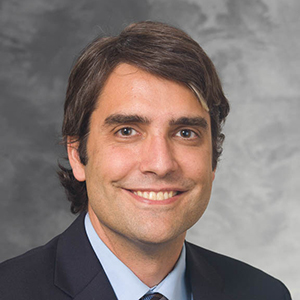
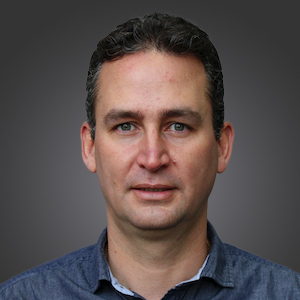

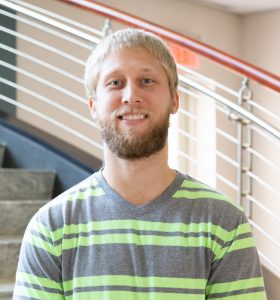
An interdisciplinary team at UW–Madison, composed of experts from the Departments of Radiology, Surgery, and Mechanical Engineering, are evaluating how MRI may provide valuable information for liver transplant surgery. Diego Hernando, PhD; Alejandro Roldán-Alzate, PhD; Jennifer Philip, MD: and Gregory Simchick, PhD recently published “Validation of Intravoxel Incoherent Motion MRI using Perfused Explanted Human Livers.”
The initial research project was funded by the Radiology Department via a research and development (R&D) grant. By providing seed funding, the department enables investigators to obtain preliminary data in preparation for major grant applications.
Research and Development Funds
The UW Department of Radiology’s research and development (R&D) program supports new directions in imaging research, educational initiatives, and the development of promising early-stage projects.
The researchers explore how Intravoxel Incoherent Motion (IVIM) MRI, which is a technique capable of evaluating tissue microstructure and microvascular blood flow, may assist in the evaluation of liver organ condition for transplantation. Currently, organs are evaluated for transplant based on visual appearance, the medical history of the donor, blood tests, biopsies, and CT imaging.
By utilizing quantitative MRI techniques, including IVIM, a more comprehensive assessment of organ condition is possible, potentially enhancing the identification of suitable organs for transplantation and ultimately creating more efficient and life-saving workflows in transplantation clinics.
The study validated quantitative IVIM, which previously proved challenging to substantiate in vivo due to unknown microvascular flow conditions. To validate these methods, the team acquired explanted human livers that could not be used for clinical transplantation and connected the major blood vessels to a flow pump. The flow pump allowed the researchers to perfuse the livers using highly controlled inflow and perform IVIM MRI using inflows that mimic blood perfusion and circulation in the body.
“Importantly, the perfused explanted livers served as biologically accurate systems with distinct microstructural and microvascular flow compartments, demonstrating their potential for validating quantitative IVIM techniques,” Dr. Hernando highlighted. “Further, this study uncovered different microcirculatory parameters in livers with no‐to‐mild fibrosis compared to those with moderate‐to‐advanced fibrosis.”
The collaborative structure of the team allows members from each department to contribute their expertise; radiology members bring experience with cutting-edge diffusion MRI-based IVIM methods, transplant surgeons provide clinical and surgical expertise, and mechanical engineers oversee the setup and execution of the controlled-flow experiments.
In addition to the expertise that the researchers themselves bring, Dr. Hernando credits the resources available at UW–Madison, such as MRI systems dedicated for research and the ability to create a sophisticated experimental setup, both of which were crucial components to the success of the initial research project. “The University has outstanding technical resources and a highly collaborative environment that supports innovation and exploring new methods.”
The investigative team hopes to continue building on this work through a major NIH-funded project that is likely to be funded in Spring 2026. According to Dr. Hernando, “the explanted liver data we obtained with support from Radiology R&D was critical to our ability to put together a strong NIH grant proposal that was well received by the study section. We hope this investment from the Department will enable us to keep advancing novel imaging methods for years to come, with multiple exciting applications including in Radiology and Transplant Surgery.”