J. Louis Hinshaw steps down as section chief of Abdominal Imaging and Intervention, Giuseppe V. Toia assumes role
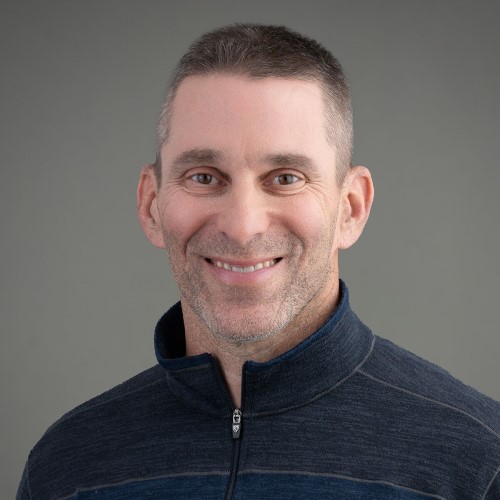
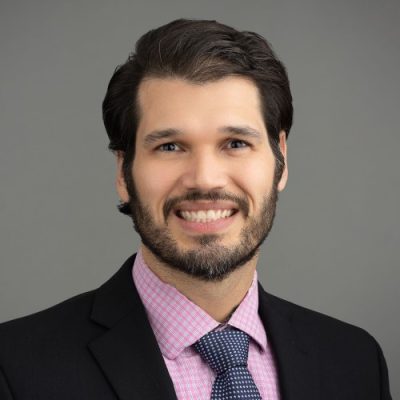
J. Louis Hinshaw, MD, stepped down from his role as section chief of Abdominal Imaging and Intervention in July 2026 after over a decade of leadership that saw robust growth and innovation within the section. During his tenure, Dr. Hinshaw cultivated growth in personnel, clinical volumes and services, in addition to establishing a new reading room setup to foster collaboration.
Giuseppe V. Toia, MD, MS follows in Dr. Hinshaw’s footsteps and plans to build on the already impressive foundation for the section laid by Dr. Hinshaw.
Discover more about how the section flourished under Dr. Hinshaw’s leadership, and Dr. Toia’s plans for the future in the Q&A below.
J. Louis Hinshaw, MD
How did the section evolve in the 15 years you served as section chief?
A better question might be, ‘How has the section not evolved in the 15 years that I was section chief?’ It has more than doubled in the number of faculty, more than tripled in clinical volumes, added procedural and diagnostic services, and tried to evolve the support services to match.
Our section is as large as some of our clinical departments and has extensive cross-departmental collaborations and interactions, all of which need to be actively managed in a rapidly evolving health care environment. The job was a challenge when I took over, but it has become much more complex over time. Fortunately, Giuseppe is up to the task!
What were some of your goals for the section?
When I took over as section chief, I wrote a vision statement for our section: that we would be the top academic Abdominal Imaging and Intervention Section in the world; and all of my actions as section chief were intended to support that goal in one way or another.
I learned in the Physician Leadership Development Program (PLDP) about the importance of quality people; and I worked hard to recruit and retain faculty that shared that vision and if given the resources, would be successful. Honestly, I believe that we are the premier Abdominal Imaging and Intervention section in the world, and I am proud to have played some role in that.
What are some of the accomplishments you’re most proud of from your time as section chief?
There are many things that we achieved during my time as section chief, but probably the most impactful single thing that Tom Grist and I worked on together was the establishment of the abdominal “mega-reading room.” While it can seem chaotic at times, I believe that our reading room has helped us become more efficient during a time of increasing demands, has improved our collaboration, and supported the inclusive culture that I wanted to encourage within our section.
A secondary accomplishment has been evolving our schedule to account for rising clinical volumes in a way that continues to support academic time, academic endeavors, and personal balance.
Dr. Toia served as associate section chief before taking on the section chief role. What are some of the projects or initiatives the two of you collaborated on for the section?
I tried to incorporate Dr. Toia into all the ongoing issues around the section in his time as associate section chief. For much of the work, it was primarily for awareness, but I also wanted to gather his thoughts and input. Dr. Toia is a smart, driven individual with a high emotional intelligence, and I often benefited from his thoughts and opinions as we worked through the challenges facing the section.
Is there anything else you’d like to share?
It was the honor of my career to serve as the section chief of the Abdominal Imaging and Intervention team at UW and represent the amazing faculty within our group. It was bittersweet to step down from that position and honestly, I considered stepping down earlier; but wanted to make sure that I only did so if I knew the section would be in good hands. Dr. Toia is not good; he is great, and I see him continuing to support our legacy for the upcoming decade or more. I’m excited to continue to be a part of the section under his leadership.
Giuseppe V. Toia, MD, MS
How did your time serving as associate section chief help prepare you before taking on the role of section chief?
When I became associate section chief, it was with the hope that one day I would have the honor of succeeding Dr. Hinshaw as section chief, with Dr. Reeder’s support. My time in that role was incredibly educational and instrumental in helping me understand the complexities, responsibilities, and energy required to lead a large, highly productive academic radiology section.
Dr. Hinshaw made a conscious effort to include me in conversations, decision-making, and strategic planning. In doing so, he was mentoring me for a role he had performed remarkably well for 15 years. We maintained an open-door approach to discussing section administration, opportunities for growth, and areas for improvement. Those conversations ultimately helped shape the vision I bring to my role as section chief today.
What are some of your favorite aspects of working in the abdominal radiology field?
Abdominal imaging offers incredible breadth and versatility. Our anatomic area of interest encompasses more than 15 distinct organs, each with their own intricacies and pathologies. We also utilize nearly every major imaging modality, including CT, MRI, ultrasound, fluoroscopy, and radiography, all of which complement one another in guiding our interpretations and diagnoses.
I enjoy the fast-paced nature of abdominal imaging and the sense of immediacy that comes with helping our emergency medicine colleagues make acute diagnoses or assisting surgeons and other specialists with complex clinical problems. At the same time, I appreciate the longitudinal aspects of oncologic imaging, where we have the opportunity to witness remarkable advances in targeted therapies and their impact on patients over time.
Finally, I love that abdominal radiology allows me to satisfy my passion for procedural work. Performing a wide range of image-guided, needle-based interventions gives me the opportunity to play a direct role in establishing diagnoses and helping patients move forward with their care.
What are some of the initiatives or projects that Dr. Hinshaw established during his tenure as section chief that you think have helped the section grow and be successful?
Dr. Hinshaw was particularly forward-thinking when it came to anticipating staffing needs and staying ahead of the hiring curve. He recognized the importance of expanding our faculty to meet growing clinical demands while preserving our academic and educational missions.
One of his longstanding visions was the creation of our shared “mega-reading room,” which became a reality a few years ago. By consolidating our diagnostic services into a single space, we created an environment where faculty and trainees can work side by side, fostering collaboration, knowledge sharing, improved diagnostic interpretation, and greater day-to-day job satisfaction.
He was also creative in expanding and restructuring our clinical services to better align faculty assignments with evolving needs. This included introducing our first opportunities for remote work and establishing hybrid schedules that recognize the importance of life outside the reading room. These changes have been instrumental in supporting faculty well-being and maintaining a sustainable work environment.
What are some of your goals or ideas for projects/initiatives that you have in mind that you’d like to incorporate into the section?
Integrating artificial intelligence into clinical workflows: One of my major priorities is incorporating artificial intelligence into our daily clinical practice, particularly for workflow optimization rather than diagnosis alone. Tools such as automated protocoling, intelligent reading worklists, and optimized scheduling have tremendous potential to improve efficiency, accuracy, and faculty well-being. Many of these capabilities are already within reach, and I believe we should be proactive in adopting and integrating them into our practice.
Supporting the continued growth of our ablation program: Our ablation service has experienced tremendous growth in recent years, and I want to build on that momentum through several strategic initiatives. These include hiring our first abdominal interventional advanced practice provider, establishing dedicated clinic space and time for our ablation faculty, and supporting further procedural expansion as opportunities arise.
Restructuring our ultrasound services: As our procedural volume continues to grow, our current ultrasound service, which combines diagnostic and procedural work, has outgrown its existing structure. One of my near-term goals is to establish separate diagnostic and procedural ultrasound services. This would allow us to consolidate diagnostic ultrasound across the enterprise while optimizing procedural scheduling and expanding patient access.
Balancing clinical growth with faculty well-being, research, and education: As our section expands to meet increasing clinical demands, I want to ensure that our staffing models and clinical rotations remain sustainable. This means maintaining reasonable workloads that allow our radiologists to deliver thoughtful, high-quality patient care while preserving meaningful, personalized training for the next generation of radiologists, while maintaining our tripartite mission of clinical, research, and educational excellence. Equally important is maintaining flexible and hybrid work opportunities that support faculty well-being and long-term career plans.
Is there anything else you’d like to share?
I recognize that successful section leadership requires dedication, sacrifice, and a willingness to put the needs of others first. I am truly honored and humbled to lead what I consider one of the most academically accomplished, clinically dynamic, and genuinely compassionate groups of people I’ve ever had the privilege of working with.
Ultimately, what brings me the greatest satisfaction is helping my colleagues turn their ideas and career aspirations into reality while ensuring that we continue to meet the growing clinical needs of our patients. Seeing our culture thrive is what makes this role so rewarding.