Kelly Capel reflects on first year as director of fellowships
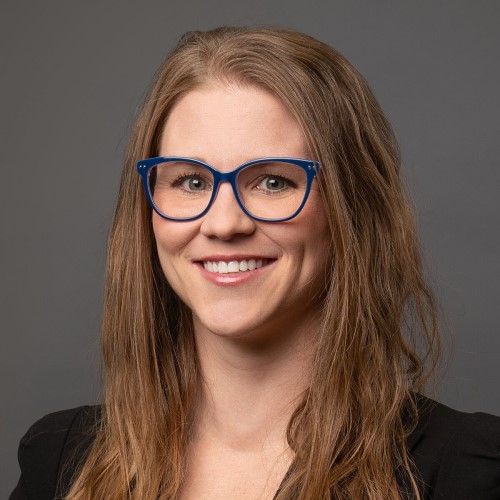
Last July, Kelly Capel, MD became the UW Department of Radiology’s director of fellowships. Dr. Capel brings first-hand experience to the role, having completed both her residency and neuroradiology fellowship with the department.
Dr. Capel looks back on her first year in the role, her goals for the department’s fellowship programs moving forward, and how her past experiences shaped her interest in trainee education in the Q&A below.
How did you first get involved with trainee education?
My involvement in education began at a young age and has remained a central part of my life and career ever since. I first started tutoring fellow students in high school and continued teaching throughout college, where I worked with both classmates and student athletes. In medical school, I served as a peer tutor and discovered how rewarding it was to help others learn and grow.
Teaching has always come naturally to me, and that passion has continued to develop throughout my training as an intern, radiology resident, fellow, and now as a faculty member. After starting in a hybrid academic-private practice position, I ultimately decided to come back to academics since education remains one of the most meaningful and fulfilling aspects of my career.
What is your favorite aspect of being the director of fellowships?
My favorite aspect of serving as the director of fellowships is the opportunity to build strong relationships with both our fellowship program directors and our fellows. I enjoy getting to know fellows on a personal level and supporting them as they progress through an important stage of their professional development.
During my time as chief resident, I was passionate about identifying opportunities for improvement and implementing meaningful changes that enhanced the trainee experience. In this role, I look forward to continuing that work on a broader scale and strengthening the fellowship experience across our department.
How did your firsthand experience with the UW Neuroradiology Fellowship program help shape your vision for fellowship programming?
My experience with the UW Neuroradiology Fellowship program has provided me with a unique perspective across multiple stages of training and career development. I first experienced the program as a resident who benefited from mentorship by former UW fellows, followed by my own training as a neuroradiology fellow. More recently, I served as a junior faculty member and associate program director for the Neuroradiology Fellowship. These experiences have allowed me to appreciate the full continuum from trainee to faculty member and have shaped my vision for fellowship education.
My goal is to make the transition from fellowship to independent practice as seamless as possible by providing trainees with practical knowledge, professional guidance, and career insights that I wish I had received early in my own career. By addressing common challenges and knowledge gaps, I hope to better prepare fellows for success as they begin the next stage of their professional journey.
Are there any key initiatives that you’ve implemented in the past year that you’d like to share?
Following in the footsteps of Greg Avey, MD was both an honor and a challenge, as he established a strong foundation for fellowship education within our department. One initiative I prioritized during my first year was increasing the visibility and transparency of fellowship policies and procedures. While still a work in progress, we are creating a centralized, easily accessible repository of information for fellows, fellowship directors, departmental leadership, and administrative staff. By streamlining access to important resources, we hope to improve communication, enhance consistency across programs, and make the fellowship experience more efficient for everyone involved.
Are there any insights from your first year as fellowship director that you’d like to share?
One of the most valuable lessons I have learned during my first year as fellowship director—particularly while transitioning back to academic practice from a community and private practice environment—is the importance of listening first. I have made it a priority to seek feedback from fellows, fellowship program directors, faculty, and administrative staff to better understand the strengths of our programs as well as areas for growth. These conversations have provided valuable insights that help guide decision-making and ensure that future improvements are informed by the experiences and needs of those directly involved in fellowship education.
What are some upcoming projects or initiatives related to fellowship programming that you’d like to focus on in the next year?
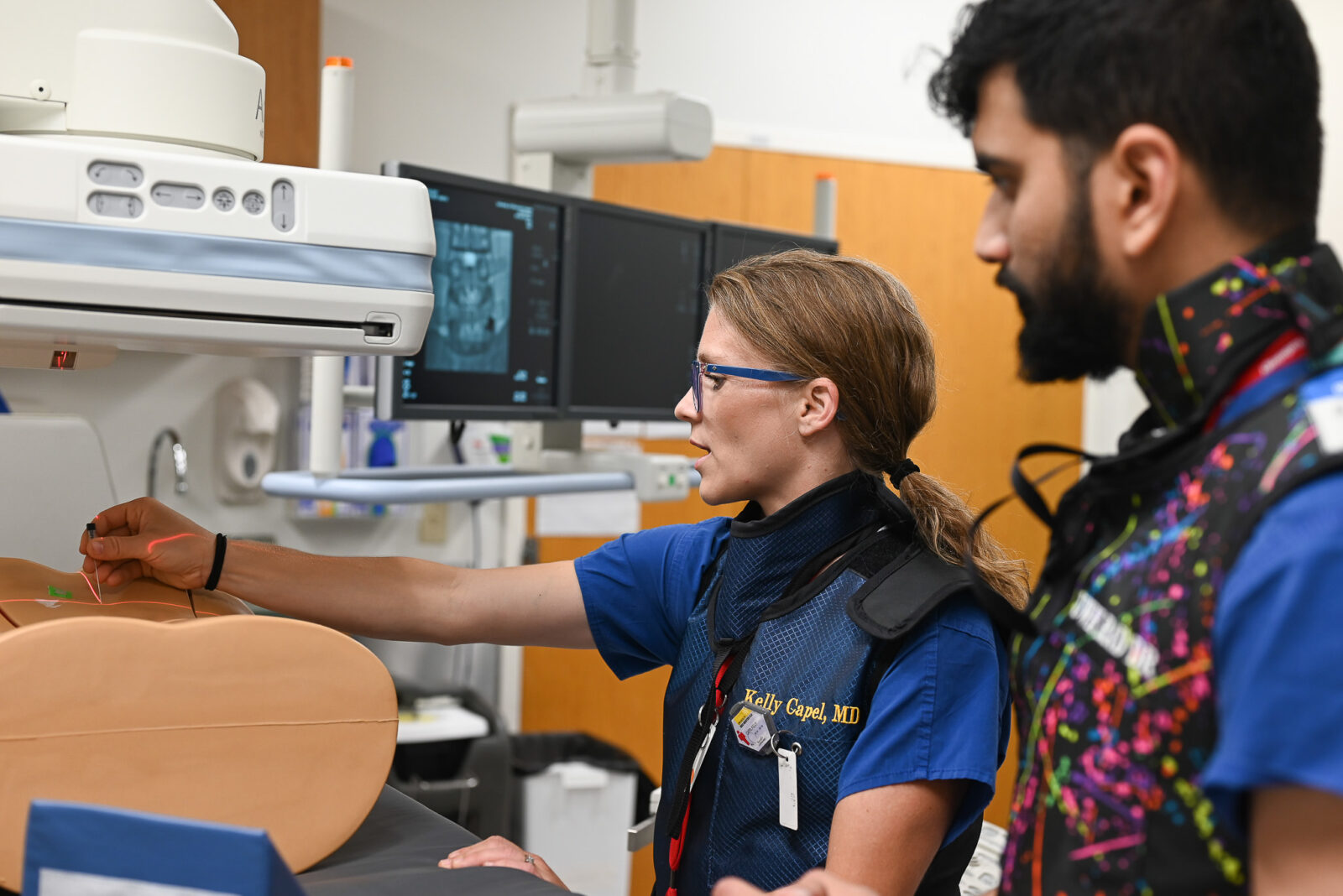
We have several successful educational initiatives already in place that we plan to continue expanding. Two of our most well-received programs have been the lumbar puncture and spine procedure workshop, which provides fellows with hands-on procedural training using simulation models, and our Transition to Practice seminar, which offers practical guidance as fellows prepare to begin their first attending positions.
One of our major initiatives for the coming year is the implementation of a new oral boards curriculum in response to the American Board of Radiology’s (ABR) transition to an oral examination format. This inaugural year will serve as a pilot program and will include a series of fall and winter educational sessions culminating in a mock oral examination in February. The curriculum has been developed collaboratively by David Kim, MD; Tess Chapman, MD; and myself; with the goal of helping fellows prepare for the upcoming examination while also establishing a framework that can support resident preparation as the ABR transitions the oral examination to the end of the R4 year.
Looking ahead, we also hope to continue expanding professional development opportunities for fellows. As the radiology job market evolves and artificial intelligence becomes increasingly integrated into clinical practice, we are exploring additional programming focused on career development, job searching, contract negotiation, and the effective integration of emerging technologies into radiology practice.
Is there anything else you’d like to share?
I am deeply grateful for the opportunity to serve in this role and to contribute to the continued success of our fellowship programs. This first year has provided an invaluable opportunity to learn more about the unique strengths and needs of each fellowship while working closely with our program directors, faculty, and trainees. I look forward to building upon that foundation and continuing to enhance educational experiences, professional development opportunities, and mentorship for the next generation of radiologists.