History of the Department
The University of Wisconsin–Madison Department of Radiology has a rich history of innovating the field of radiology. The Department began from humble beginnings on May 18, 1927, when the Board of Regents appointed Dr. Ernst Pohle as the first professor of radiology. Since then, we have grown to over 180 faculty members and 14 sections. Learn more about our greatest achievements and milestones below.
2020 – Present
2026
Scott Reeder Honored by ISMRM
Scott Reeder, MD, PhD accepted a Gold Medal from the International Society for Magnetic Resonance in Medicine (ISMRM) in May 2026.

2025
Department joined the Top Ten in the Nation for NIH Funding
The department rises to the #9 radiology department in the nation for NIH funding [Blue Ridge Institute for Medical Research].
2025
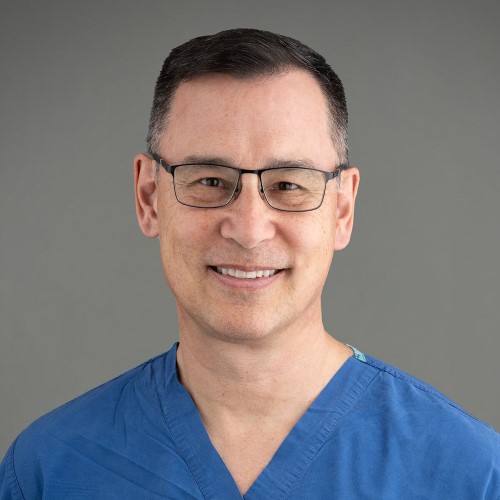
Fred Lee Jr., MD Professorship of Abdominal Imaging and Intervention Established
Made possible by a generous gift from Dr. Lee, the endowed professorship will support the research of a faculty member in the Section of Abdominal Imaging and Intervention.
2025
Thomas Grist Honored by RSNA
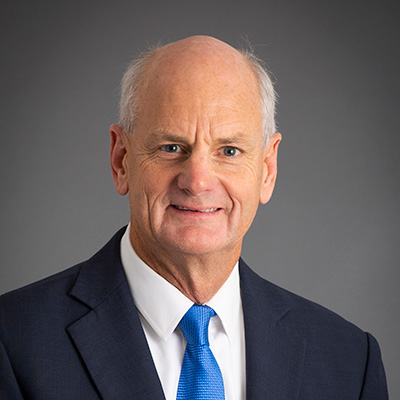
Thomas Grist, MD accepted a Gold Medal from the Radiological Society of North America (RSNA) in December 2025.
2024
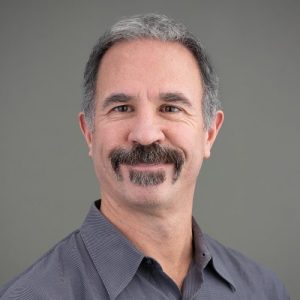
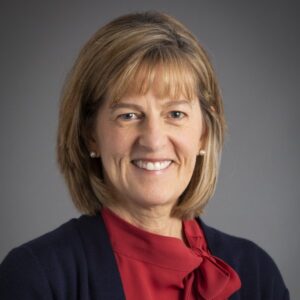
Four Faculty Recognized for their Excellence with Gold Medals from Societies
David Bluemke, MD, PhD accepted a Gold Medal from the Society for Cardiovascular Magnetic Resonance (SCMR) in January 2024.
Fred Lee, MD accepted a Gold Medal from the Society of Interventional Radiology (SIR) in March 2024.
Perry Pickhardt, MD accepted a Gold Medal from the Society of Abdominal Radiology (SAR) in April 2024.
Elizabeth Burnside, MD, MPH, MS accepted a Gold Medal from the Radiological Society of North America (RSNA) in December 2024.


2024
Thomas Grist, MD/GE HealthCare Foundation Distinguished Chair in Radiology Research established
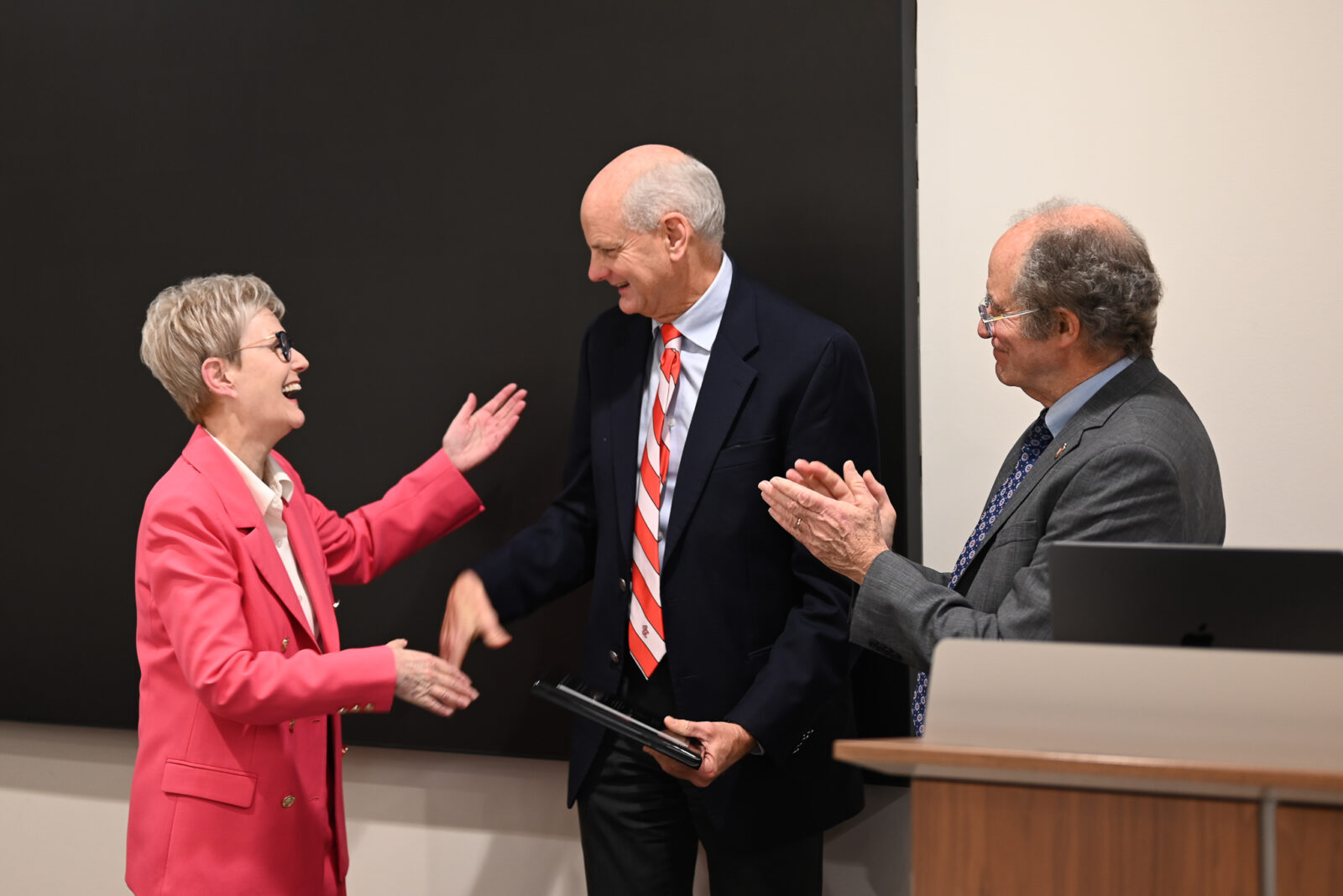
The GE HealthCare Foundation gave funds to establish a professorship in Dr. Grist’s name that will support the UW Department of Radiology’s research initiatives.
2024
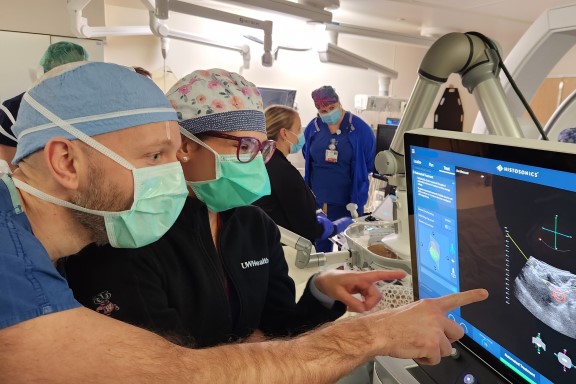
First Histotripsy-Based Ablation by a Radiology Department in the U.S.
A team of interventional radiologists, led by Erica Knavel Koepsel, MD, performed the first clinical histotripsy-based ablation in Wisconsin following Food and Drug Administration (FDA) approval of the procedure. It was also the first completed by a radiology department in the United States.
2024
Scott Reeder Named Chair
Scott Reeder, MD, PhD named chair of the department of radiology, succeeding Thomas Grist, MD.
2023
Tabby Kennedy Became First Woman to Hold an Endowed Professorship in the Department
Tabby Kennedy, MD becomes the Joseph F. Sackett Professor in Radiology, named in honor of former department chair. Dr. Kennedy has served as chief of the Section of Neuroradiology since 2019 and is the department’s inaugural vice chair of communications.

2023
Incidental Findings of MRI Research Volunteers

Howard A. Rowley, MD and colleagues publish “Incidental Findings from 16,400 Brain MRI Examinations of Research Volunteers” in the American Journal of Neuroradiology. The publication is the largest prospective data base of its kind.

2021
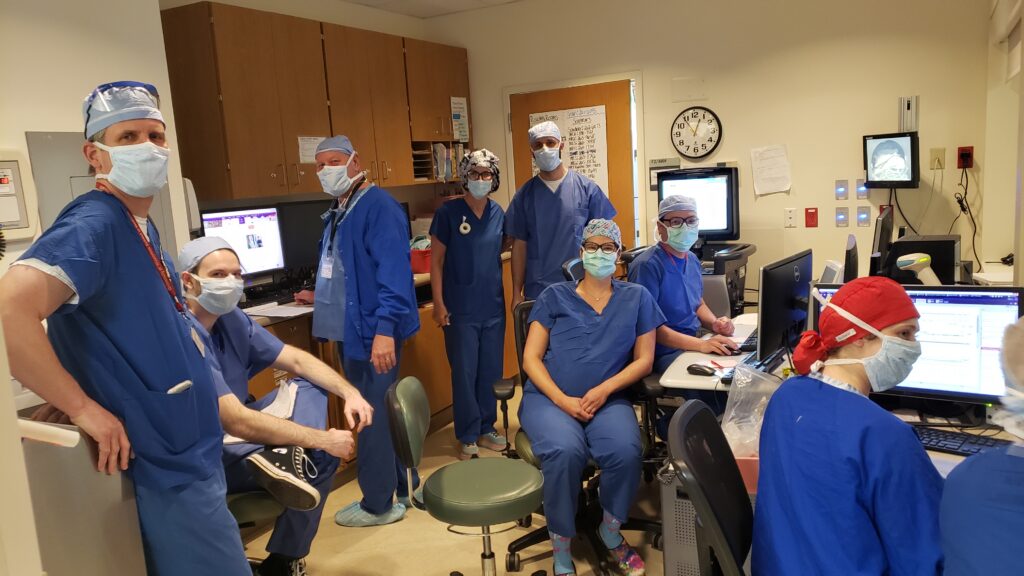
Innovative Ablation Technology
Erica Knavel Koepsel, MD and Lindsay Stratchko, DO begin new clinical programs utilizing ablation technology.
2021
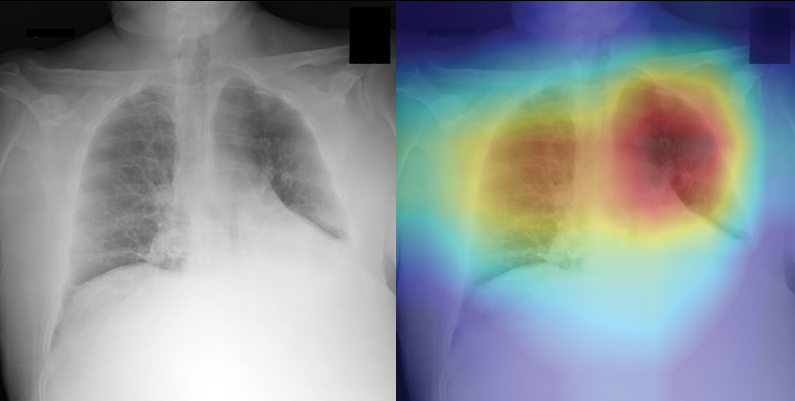
UW Uses AI to Help Diagnose COVID Pneumonia on Chest Radiography
Ran Zhang, PhD, and his collaborators were the first group to publish work on the implementation of AI in diagnosing COVID pneumonia.
2020
Opportunistic Screening
Perry Pickhardt, MD and colleagues publish “Automated CT biomarkers for opportunistic prediction of future cardiovascular events and mortality in an asymptomatic screening population: a retrospective cohort study” in The Lancet.

2000-2020
2018
Beth Burnside Takes on Notable Leadership Roles at the UW School of Medicine and Public Health

Beth Burnside, MD, MPH, MS, professor of Radiology in the Section of Breast Imaging is named the Senior Associated Dean of the School of Medicine and Public Health and Executive Co-Director of the Institute for Clinical and Translational Research. Burnside is an accomplished researcher with over 90 publications with an interest in improving population based screening and the diagnosis of breast cancer.
2017
Radiology Curriculum Integrated Within the School of Medicine and Public Health Forward Curriculum
Jason Stephenson, MD; Tabby Kennedy, MD; and Allison Grayev, MD led the department’s initiatives to integrate radiology across all three phases of the medical school curriculum through vertical and horizontal integration.

2015
Department of Radiology Partnership with Gross Anatomy
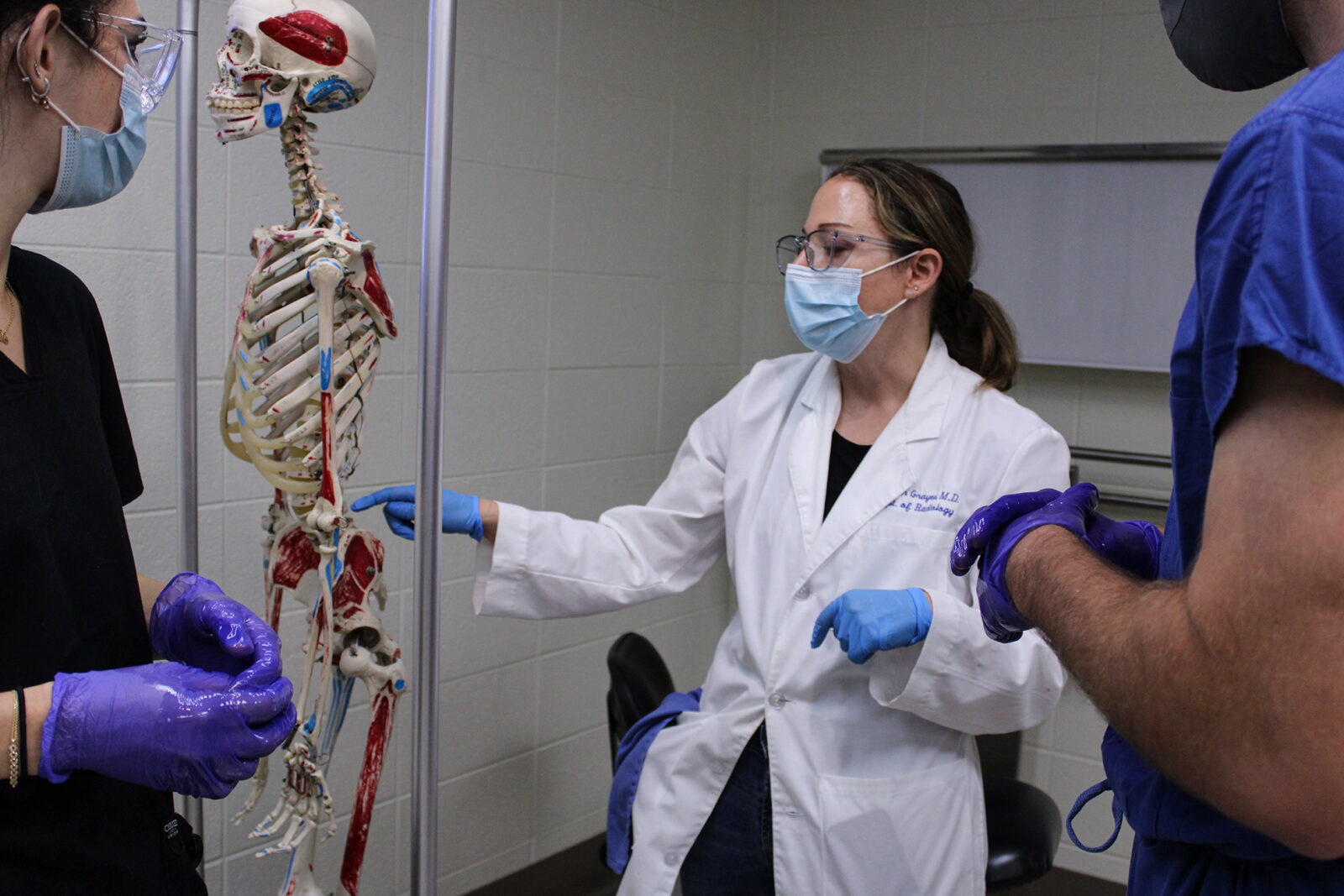
Allison Grayev, MD becomes co-director of Anatomy at the UW School of Medicine and Public Health.
2014
Erica Knavel Koepsel Elected Chief Resident

Erica Knavel Koepsel, MD was the first woman elected chief resident in the Department of Radiology. After completing her training in IR, Dr. Knavel Koepsel joined the faculty at the Mayo Clinic in Rochester, MN. She was recruited back to UW in 2012 and leads new clinical initiatives in MR guided interventions.
2014
UW Partners with GE HealthCare to Create Low-Dose CT Protocols
Led by Myron Pozniak, MD, the University of Wisconsin has solidified its role as a recognized leader in imaging through the development of new low-dose CT protocols, now being shipped with all GE scanners. These protocols are designed to reduce radiation dose, acquire clinically useful images, and reduce the rate of repeat scans. As a result, clinical departments worldwide can now “image gently and image well.”
2014
Commercial Introduction of 4D DSA
Charles Mistretta, PhD, and Charlie Strother, MD, return to X-ray DSA work to provide a time series of 3D images, improving image frame rate and catheter tracking.
2013
HOPE Program Founded
Bridget Willey, PhD, RDMS, RVT, RDCS, RT (R) founded the HOPE Program in 2013. This program was started from a community philanthropic investment by the UW Department of Radiology. HOPE is designed to grant underrepresented high school and college mentors with the opportunity to explore a variety of health occupations and professions in a hands-on, immersive Saturday seminar.

2013
Opportunistic Screening
Perry Pickhardt, MD and colleagues publish seminal article: “Opportunistic Screening for Osteoporosis Using Abdominal Computer Tomography Obtained for Other Indications” in Annals of Internal Medicine.
2010
Quantification of Liver Fat with MRI
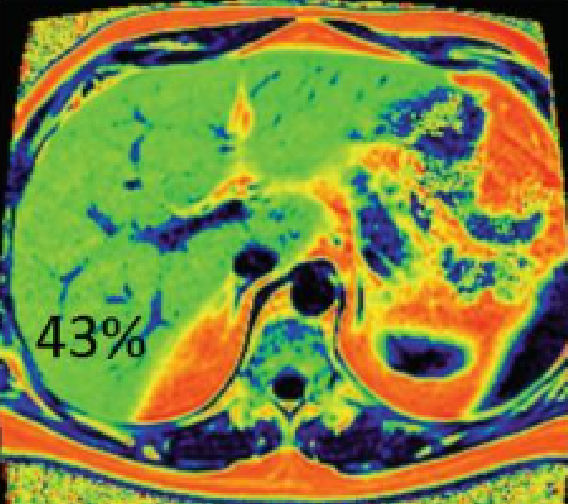
Scott Reeder, MD, PhD and his team, including Diego Hernando, PhD, complete their invention of proton density fat fraction (PDFF) as a quantitative biomarker of liver fat content.
They work collaboratively with GE HealthCare to translate this work into IDEAL IQ, the first commercial quantitative MRI biomarker of any kind.
2010
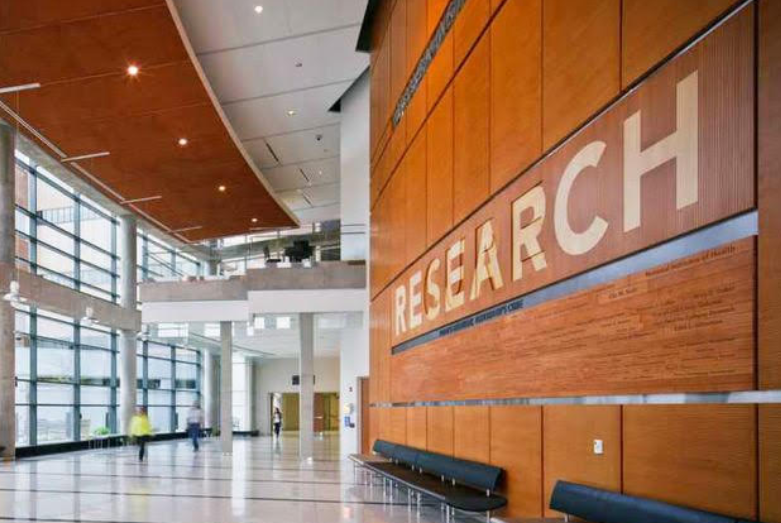
Grand Opening of Wisconsin Institutes for Medical Research (WIMR) and the WIMR Imaging Science Center
WIMR was designed to foster cross-discipline research and to support bringing new developments from the lab bench to the bedside. It has provided a stable home for the UW Carbone Cancer Center, and created new collaborations between the Departments of Radiology and Medical Physics and many facets of the School of Medicine and Public Health.
2009
Women Professionals in Radiology Group Established
The Women Professionals in Radiology (WPR) committee was founded by Lynn Broderick, MD; Beth Burnside, MD, MPH, MS; Susan Rebsamen, MD; and Elizabeth Sadowski, MD. The mission of the WPR was to facilitate the success of women in all ranks of the radiology community and to promote academic and clinical excellence in all faculty, residents, and students, regardless of gender identification.



2007
Diffusion Tensor Imaging of the Brain Published
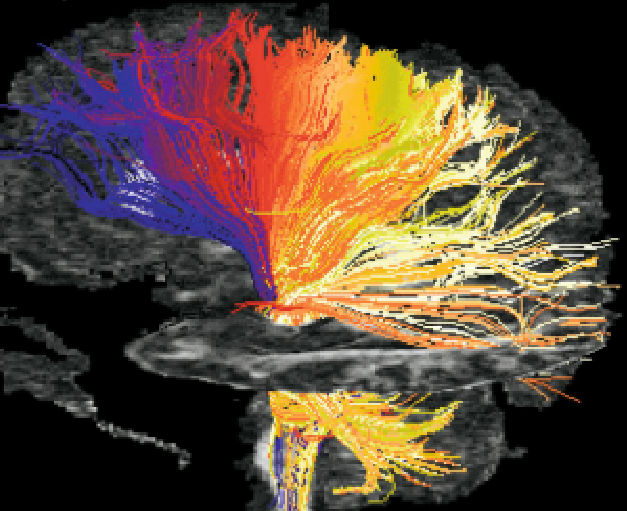
Andrew Alexander, PhD and Aaron Field, MD, PhD had their article “Diffusion Tensor Imaging of the Brain” published in Neurotherapeutics and it quickly became a widely cited work.
2005
MR Angiography and 4D Flow Advancements
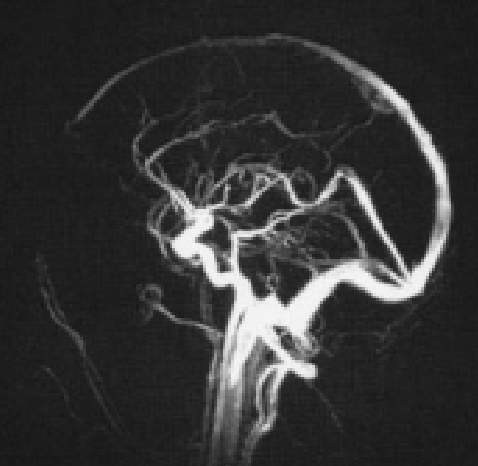
UW MR Angiography team publishes an article on 4D flow measurements using PC-VIPR in the American Journal of Neuroradiology.
2005
Thomas Grist Named Chair
Thomas Grist, MD is named Chair of the Department of Radiology, succeeding Patrick Turski, MD.
2004
First Human Trial of Innovative Cancer Agent
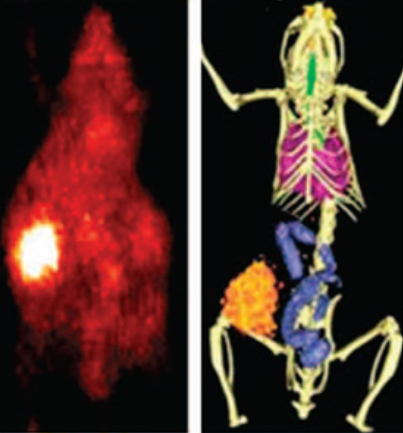
The first patient was dosed with NM404, a cancer therapy agent developed by Jamey Weichert, PhD. The agent has demonstrated tumor uptake in over 50 types of cancer, and can be used for both diagnostic and therapeutic applications.
This team later went on to develop Alkylphosphocholine analogs for broad-spectrum cancer imaging and therapy, published in Science Translational Medicine in 2014.
2003
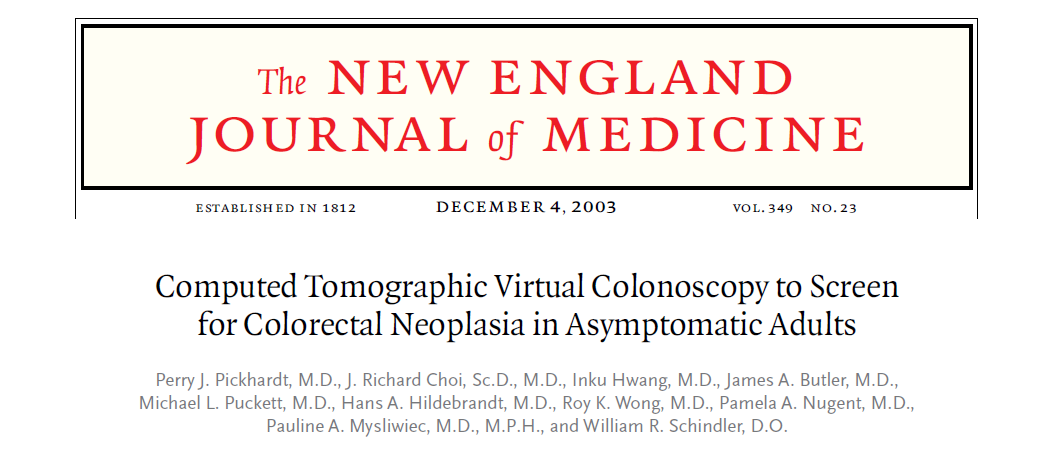
Establishment of CT Colonography
“Computed Tomographic Virtual Colonoscopy to Screen for Colorectal Neoplasia in Asymptomatic Adults” by Perry Pickhardt, MD, and colleagues published in the New England Journal of Medicine.
2002
Tomotherapy Provides CT-Guided Highly Controlled Radiation Dose Delivery
Department of Medical Physics Professor Thomas Rockwell “Rock” Mackie, PhD, develops tomotherapy, a vanguard of modern image-guided radiation therapy (IGRT). Introduced commercially in 2007, tomotherapy is now in clinical use at more than 500 sites worldwide.
1980-2000
1996
Mistretta, Grist, and Korosec Develop 3D TRICKS
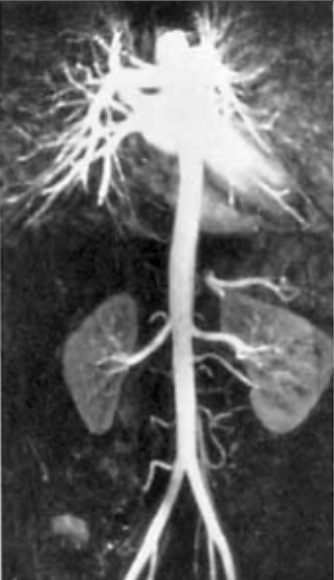
3D time-resolved imaging of contrast kinetics (TRICKS) is an improved version of time-resolved MR angiography and remains the preferred commercial method to this day. Charles Mistretta, PhD; Thomas Grist, MD’ and Frank Korosec, PhD, were the inventors of 3D TRICKS. Their work on time-resolved contrast-enhanced 3D MR Angiography was published in Magnetic Resonance in Medicine.
1995
Tumor Ablation Lab Founded
After finding that the current ablation technology was underpowered and ineffective, radiologist Robert Turrel, MD, and then-Professor of Imaging Sciences Fred Lee, Jr., MD founded the Tumor Ablation Lab.
The lab developed microwave ablation technology from the ground up, with the assistance of Professor of Electrical and Computer Engineering Daniel Van Der Weide, PhD and then-students Christopher Brace, PhD and Paul Laeseke, MD, PhD. No microwave ablation equipment existed at UW, forcing the group to improvise with items including WWII-era hand guides, homebuilt. After several years of testing and improving the device, Lee, Van Der Weide, Brace, and Laeseke licensed the device through the Wisconsin Alumni Research Foundation (WARF), allowing them to offer the treatment to patients.
1995
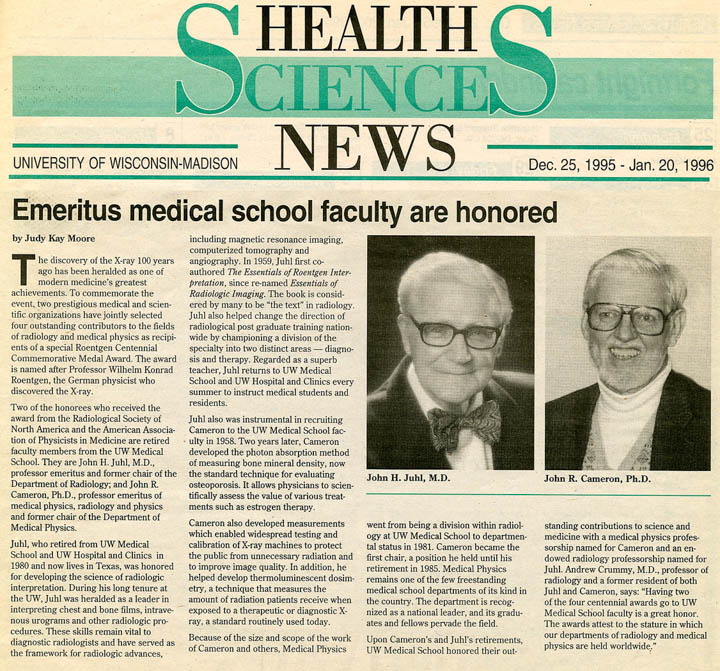
Juhl and Cameron Honored for Achievements
John Juhl, MD and John Cameron, PhD were awarded the special Roentgen Centennial Commemorative Medal Award from the Radiological Society of North America (RSNA) and the American Association of Physicists in Medicine (AAPM) for their numerous early groundbreaking contributions to the field of radiology.
1995
Patrick Turski Named Chair

Patrick Turski, MD is named Chair of the Department of Radiology, succeeding Joseph F. Sackett, MD.
1984
First On-Campus MRI Revolutionizes Soft Tissue Imaging
In a strategic collaboration with GE HealthCare, UW installs the first on-campus whole body MRI machine. UW scientists and physicians were able to image soft tissue in detail, and do so safely, with no ionizing radiation.
1981
Digital Subtraction Angiography Unveiled
After nearly a decade of collaboration between Charles Mistretta, PhD and Andrew Crummy, MD; the first commercial prototype of a digital subtraction angiography (DSA) instrument was unveiled at the 1981 Radiological Society of North America (RSNA) meeting. Soon, Mistretta and his departmental colleagues were in extreme demand across the globe to explain and demonstrate the capabilities of DSA.
1981
The Department of Medical Physics is Established
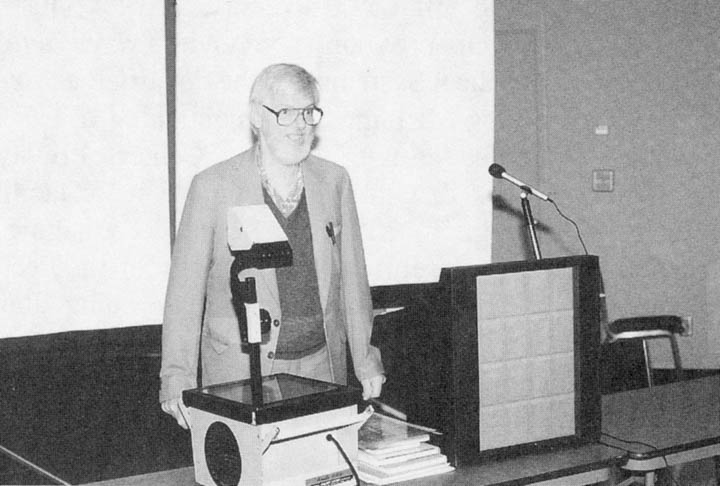
The Department of Medical Physics splits off from the Department of Radiology as an independent department at UW School of Medicine and Public Health, becoming the very first department of medical physics in the US; under the leadership of John Cameron, PhD, the inaugural chair.
1981
Joseph Sackett Named Chair
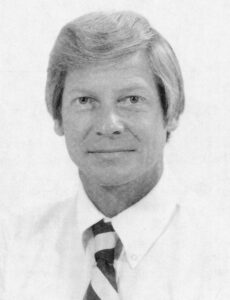
Joseph F. Sackett, MD is named chair of the department of radiology, succeeding Francis F. Ruzicka, MD.
1960-1980
1979
Move to Clinical Sciences Center
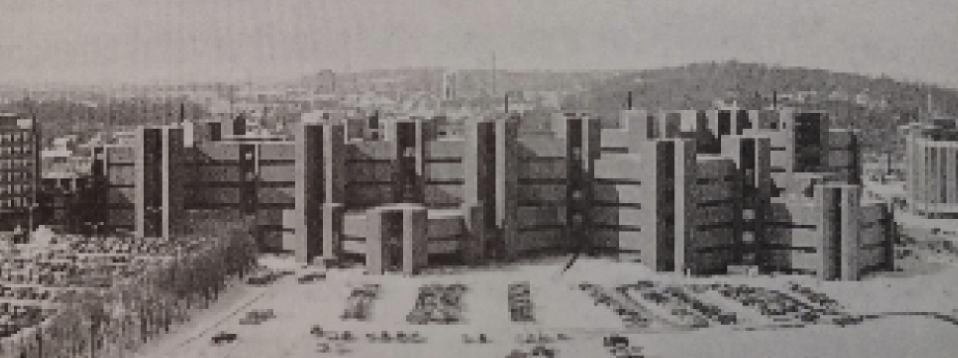
Hamstrung by a lack of space and resources, UW Radiology’s campaign for improved facilities came to fruition in 1979, when they moved across campus to the new Clinical Sciences Center (CSC). Department leaders were faced with the challenge of moving over 200 patients from 1300 University Avenue to their new home at CSC. After much deliberation, they devised a strategy. Using a convoy of eight appropriately equipped moving vans, they successfully transferred all 200 patients in just under four hours.
1977
Joseph Sackett Revolutionizes Spine Imaging with Introduction of Metrizamide
Joseph Sackett, MD was the first radiologist in North America to use metrizamide as a contrast agent for spine imaging. His landmark 1977 paper demonstrated the safety and efficacy of metrizamide, a vast improvement over the previous oil-based agent. Modern-day metrizamide techniques are still based on Sackett’s research.
1976
Francis Ruzicka Named Chair
Francis F. Ruzicka, MD is named chair of the department of radiology, succeeding John H. Juhl, MD.
1973
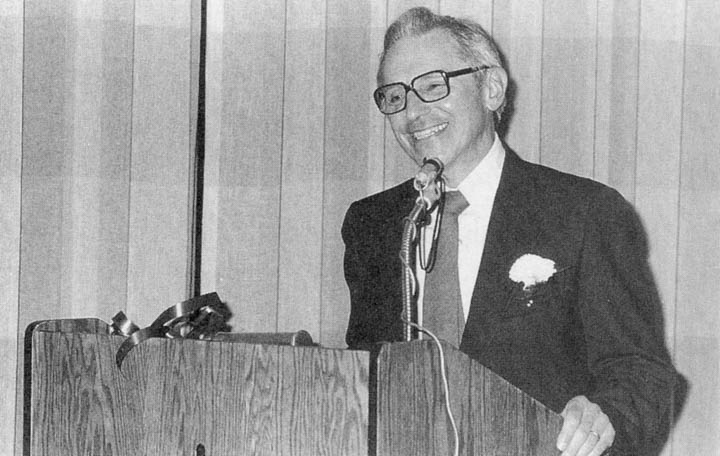
Mary Ellen Peters Joins Faculty
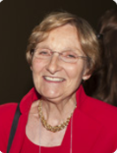
Mary Ellen Peters, MD, UW School of Medicine and Public Health class of ’67 was one of the first female faculty to join the department. She was a pediatric and chest radiologist and served as vice chair. She retired in 1999 and had been awarded numerous teaching awards including the Deans Teaching Award.
1964
Andrew Crummy Innovates on Arrival
Upon his arrival at UW, Andrew B. Crummy, MD wasted no time in introducing cutting-edge techniques to cardiovascular and neuroradiology, in addition to championing ultrasound as a diagnostic too.
1964
John H. Juhl Named Chair
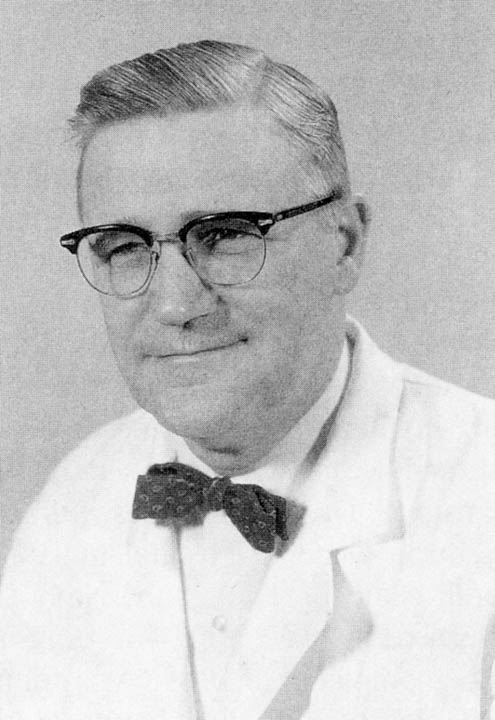
John H. Juhl, MD is named chair of the department, succeeding Lester Paul, MD.
1963
John Cameron Pioneers Two New Techniques
In the span of just one year, John Cameron, PhD solved two important challenges to research: dosimetry and measuring bone density. First, he successfully measured doses of radiation administered to a University Hospitals patient, using a technique called thermoluminescent dosimetry (TLD). Second, he invented a technique for measuring bone density, used in the diagnosis of osteoporosis. Cameron applied a small beam of radiation to the bone and measured the photons that passed through with a detector.
1910-1960
1959
John Juhl and Lester Paul Create Groundbreaking Textbook
“The Essentials of Roentgen Interpretation” is published, authored by John H. Juhl, MD and Lester W. Paul, MD. The all-inclusive radiology textbook was quickly established as a unique and first rate compendium of the field.

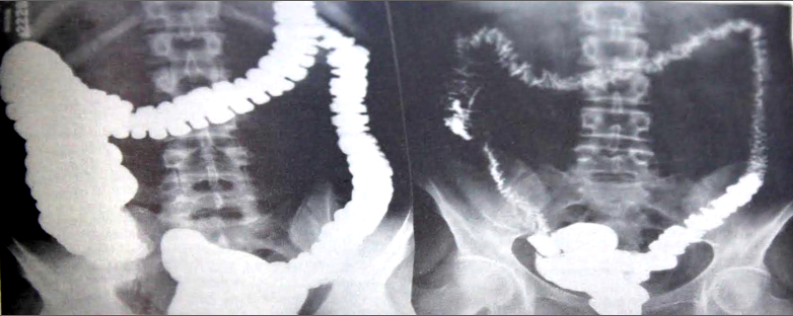
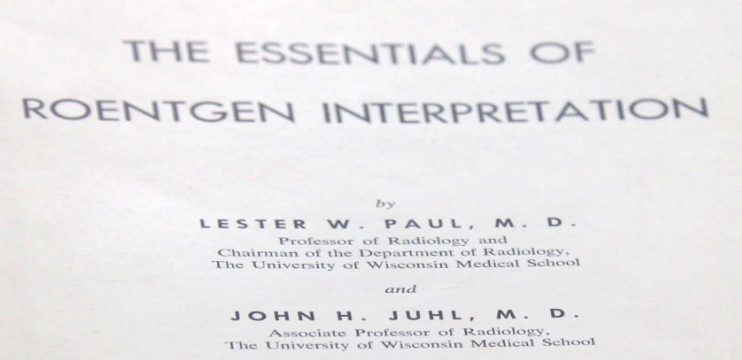
1957
Lester Paul Named Chair
Lester W. Paul, MD is named chair of the department of radiology, succeeding Ernst Pohle, MD. He was the first UW radiologist to pass the ABR exam in 1936.
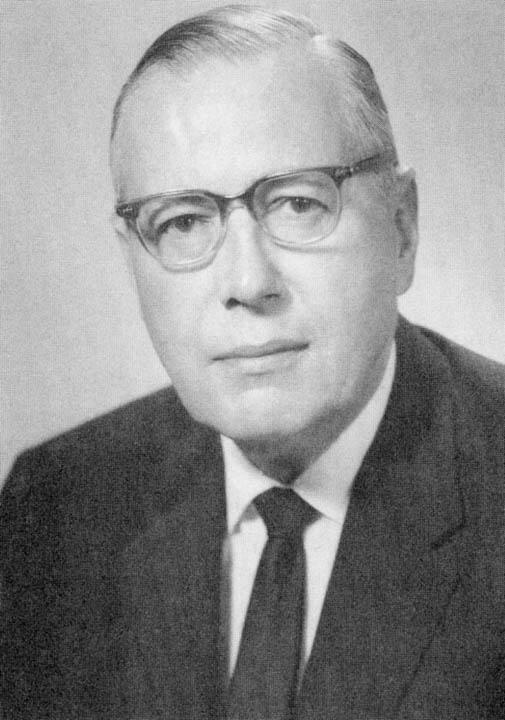
1951
Dedication of “Cancer Research Hospital” Including a State-of-the-Art X-Ray Therapy Unit
Located in a new wing of the Wisconsin General Hospital, the new Cancer Research Hospital included a million-volt GE x-ray therapy unit – the first of its kind in Wisconsin. The unit itself weighed over two tons and was placed in a custom-built treatment room with 18′ thick walls.
1927
UW Board of Regents Appoints Ernst Pohle as UW’s First Professor of Radiology
The German-born Ernst Pohle, MD came to the US in 1923, and after stints at Mt. Sinai in Cleveland and the University of Michigan, took charge of UW’s Department of Radiology. A prototype physician-scientist, Dr. Pohle was primarily interested in the use of radium and x-ray therapy in the treatment of cancer.
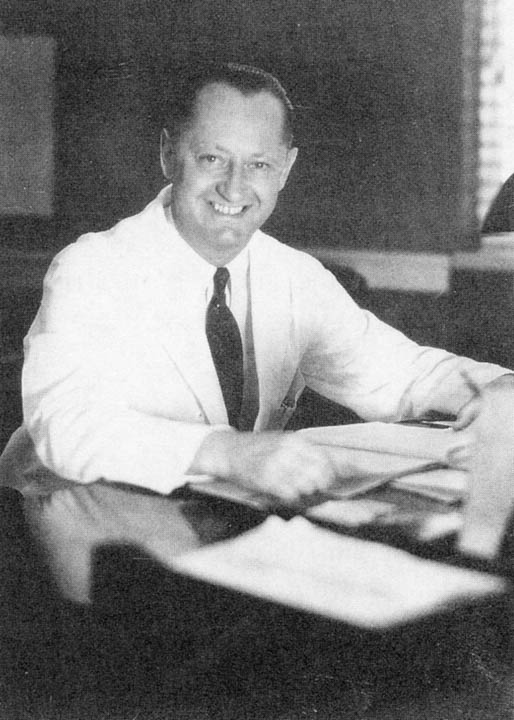
1912
A Career in Radiology: Paul Hodges
Paul Hodges, MD, who started his radiology career when he was an undergraduate at UW was hired by the Dean to run the x-ray machine at Madison General Hospital in exchange for room and board, laundry, and $10 a month.
Dr. Hodges had initially apprenticed with his uncle in Ashland, Wisconsin, taking x-rays at age 14. He went on to become the Chair of Radiology at the University of Chicago. He invented the x-ray photo-timer, along with Russel Morgan, MD who went on to become Chair of Radiology at Johns Hopkins.
1910
First Reference to Radiology at University of Wisconsin–Madison
The first reference to radiology at the University of Wisconsin–Madison is a paper entitled “A Paper on the Action of X-rays on Development,” by C.R. Barden.