Medical students gain firsthand research experience through summer programs
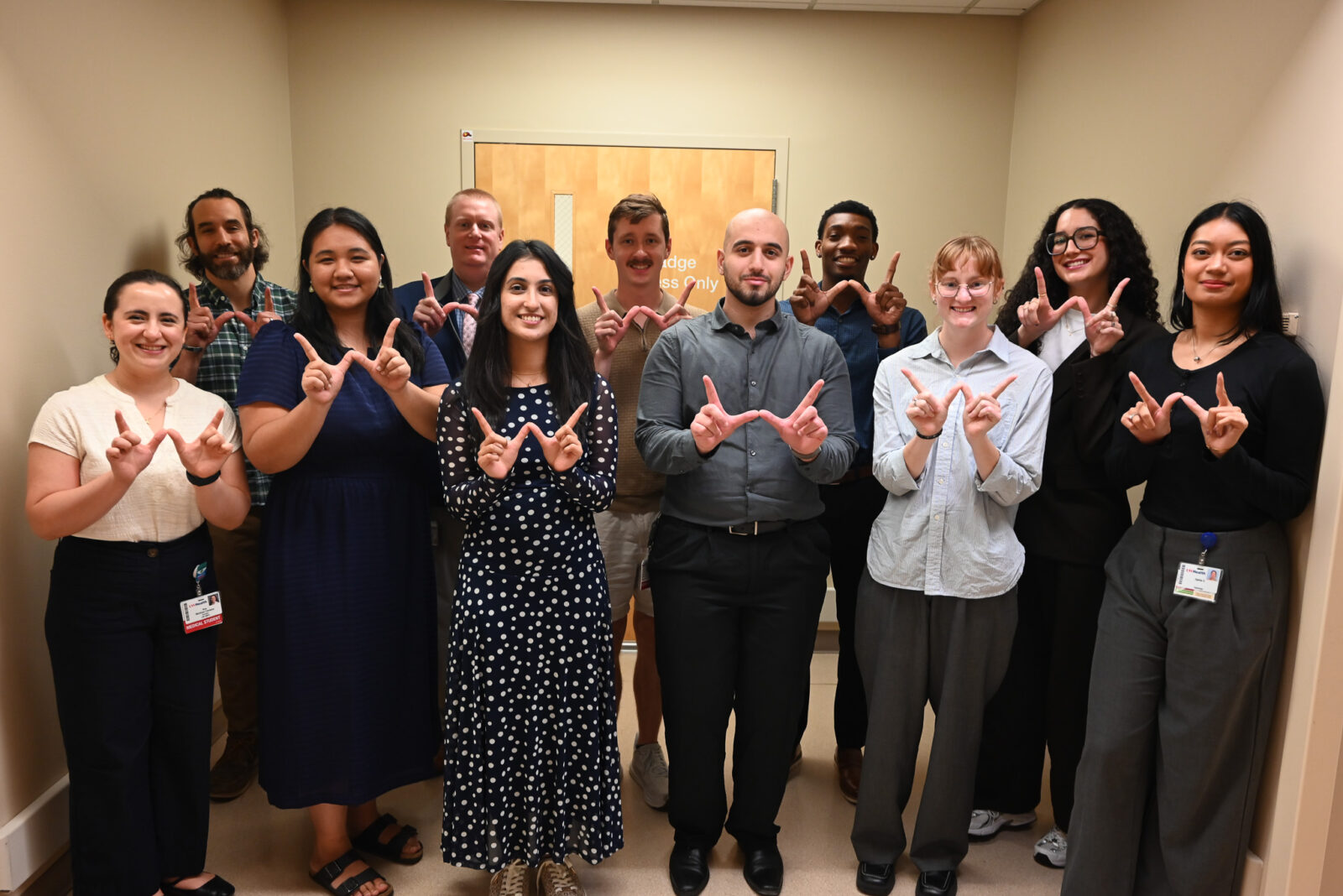
This summer, 12 medical students gained valuable hands-on experience in radiology by participating in research projects through the Shapiro Summer Research Program, the Radiology Equity Program, and the Nth Dimensions Program.
The Shapiro Program is part of a broader research initiative from the University of Wisconsin School of Medicine and Public Health, while the Radiology Equity Program is unique to the department.
During the course of the programs, students are immersed in an active research environment, rather than observing. Working with faculty, trainees, and research staff, students learn valuable research skills like asking the right questions, evaluating evidence, and adapting to the unexpected. Students work closely with a radiology faculty mentor, participate in clinical shadowing opportunities, and learn about the day-to-day life as a radiologist.
Director of Medical Student Research Matthew Lee, MD explained that the programs provide an opportunity to foster an early interest in radiology as a career path by engaging talented students in meaningful work.
“Many students begin with relatively little exposure to radiology. It is rewarding to watch them discover the breadth of the field, understand its impact on patient care, and develop a genuine interest in pursuing radiology themselves.”
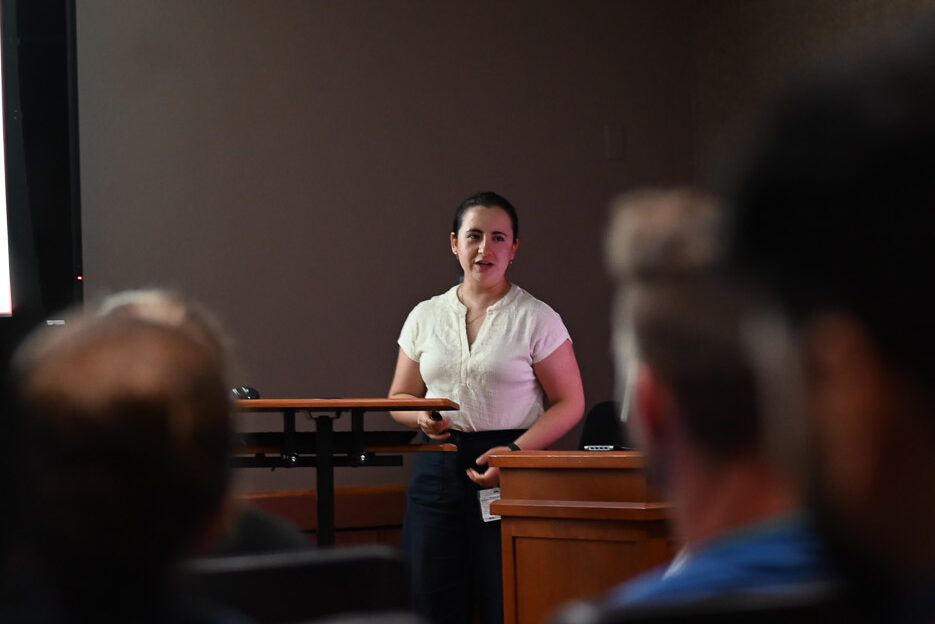
Ana Martinez Cavazos, a program participant, echoed this sentiment, sharing that gained a deeper understanding of the field. “I have most enjoyed the day-in-the-life presentations and clinical shadowing opportunities this program has offered,” she said. “Through these activities I have learned a lot about the diversity of subspecialties and procedures done in radiology.”
Helping students build community and make meaningful connections is one of Dr. Lee’s favorite aspects of working with the summer research programs. “Connecting students with faculty, projects, and opportunities that align with their interests can have an impact well beyond a single research project,” he explained. “The right mentoring relationship can influence a student’s entire career trajectory, and it is rewarding to help create those connections.”
Jeremiah Swanson highlighted that the mentorship he received was one of the top benefits from his experience this summer. “As a first-generation medical student and a veteran, stepping into an unfamiliar academic field can feel daunting. Having structured mentorship and hands-on procedural exposure gave me the confidence that I belong here and reinforced that radiology is where I want to be. The mentorship piece helped me build connections and gave me a clearer path toward radiology as a career.”
Another program participant, Pouya Mirzaei, shared a similar sentiment, noting that the day-in-the-life presentations made him realize how valuable it is to form connections and community during this formative part of his career.
Faculty mentor Andrew Wentland, MD, PhD noted how the summer research opportunities make a tangible impact in a relatively short span of time.
“One of the most rewarding aspects is watching students gain confidence over the course of the summer. Many begin with little research experience, but by the end they are asking insightful questions, contributing ideas, and presenting their work with greater confidence.”
He also shared how the research environment itself can help medical students gain a deeper understanding of translating research into clinical care. “Being immersed in that environment helps them appreciate how multidisciplinary teams collaborate, how challenging problems are approached, and how ideas evolve from initial concepts into solutions that can ultimately improve patient care. They also gain firsthand exposure to the life of a physician-scientist, seeing how I balance patient care, research, mentorship, and collaboration to translate new technologies into advances in clinical medicine.”
Mirzaei appreciated the ability to branch out and learn about topics not covered in the medical student curriculum. “The biggest benefit of being in this program has been that it allowed me to explore and learn about artificial intelligence and medical physics; something that I could not do as a regular medical student.”
There are a number of programs faculty engage medical students through. For instance, Andrew Ross, MD, MPH worked with Lawrence Baylin through the Nth Dimensions program this summer.
Baylin shared: “I came to Madison curious about radiology. I’m leaving certain about it. This summer cemented my decision to pursue the field, and that clarity is a gift I’ll carry through the rest of my training.”