Labros Meimetis secures $3.2 million NIH grant to research immune-boosting treatment for advanced prostate cancer
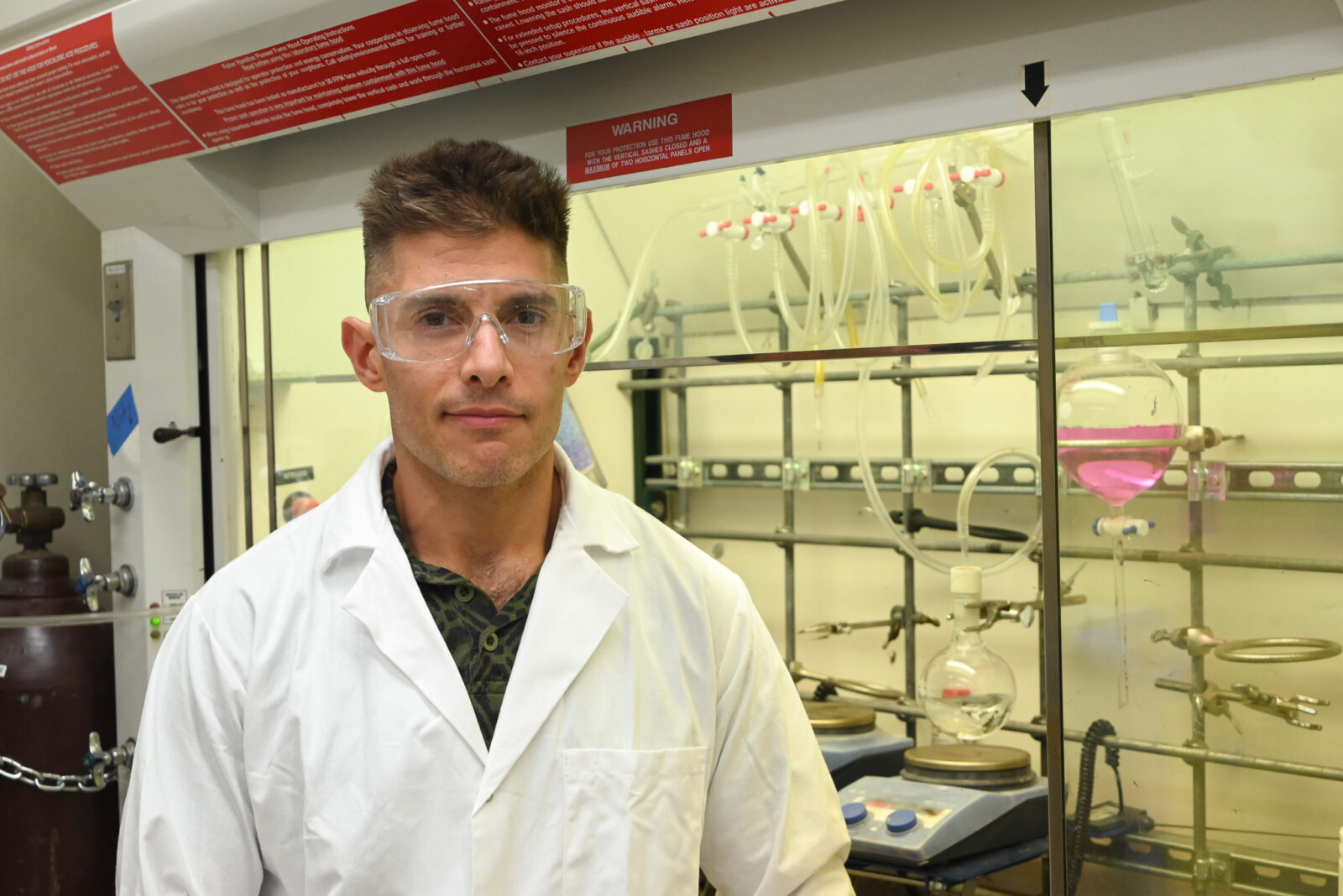
With a five-year, $3.2 million grant, Labros Meimetis, PhD aims to develop a targeted treatment that co-delivers a cancer-killing drug and an immune-boosting treatment for advanced prostate cancer.
With his National Institutes of Health-funded research, Dr. Meimetis, a research assistant professor of radiology, hopes to address an unmet need for treating metastatic castration-resistant prostate cancer by exploring how to generate a protective immune response using radiation combination therapies.
“We not only want to develop a drug for patients who don’t have any treatment options right now and will ultimately need palliative care; we also want to help those patients who will ultimately relapse when administered the standard of care therapy, which is called Pluvicto, for advanced prostate cancer,” Dr. Meimetis said.
Dr. Meimetis helped develop a targeted approach called RadioIMmunoStimulant (RIMS) that co-delivers two substances to the same cancer cell: a therapeutic radionuclide (177Lu) that can kill bystander cancer cells and a small molecule that activates immune receptors (TLR 7). The latter elicits an immune response that disrupts the tumor from evading detection by the immune system.
The key to producing a long-term protective immune response is the combination, Dr. Meimetis said.
“We’re basically trying to trick your immune system into thinking that cancer is like a viral infection, and we want to generate a vaccine in your body for long-term protection,” he said.
While Dr. Meimetis is focused on prostate cancer, the targeted approach is “fundamentally a platform technology,” meaning that it can be applied to other cancers.
“You can take this concept and as long as you have a good delivery vehicle, every cancer is on the table,” Dr. Meimetis said. He is currently applying this technology to utilize other delivery methods, such as tumor-targeting antibodies to develop therapies for advanced breast and pancreatic cancers.
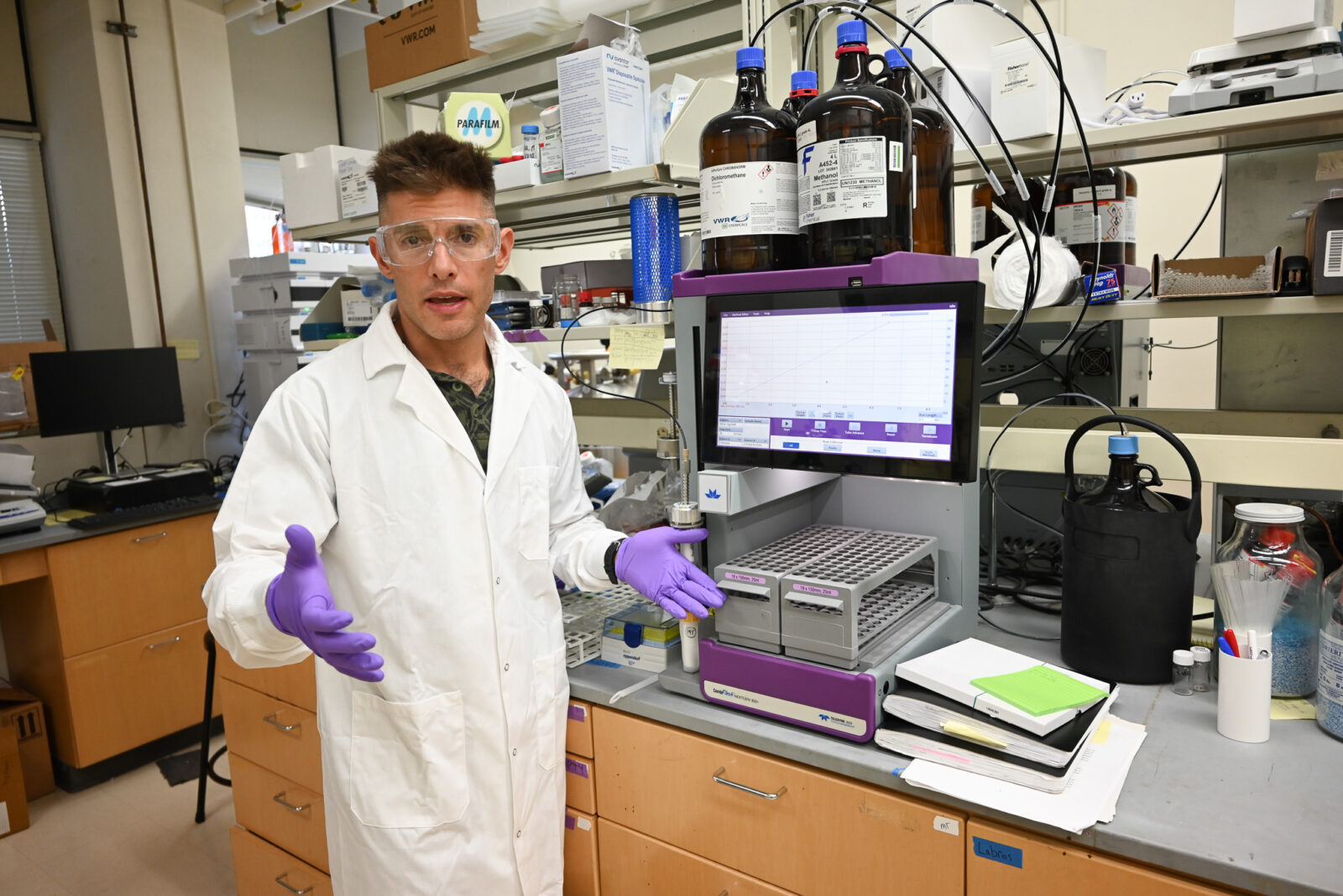
When the research project, funded by the National Institutes of Health (NIH), National Cancer Institute (NCI) is complete, Dr. Meimetis hopes to have a drug that is ready to enter clinical trials for metastatic castration resistant prostate cancer that exhibits prostate specific membrane antigen heterogeneity.
“I feel a great sense of responsibility to use this money correctly and try our hardest to develop a new therapy, ready to enter clinical trials at UW–Madison,” Dr. Meimetis said. “I’m honored to receive this grant, and it’s a great sense of responsibility for me to try and help these patients that are always at the top of my mind.”
Read more about the RIMS approach in the publication “Evaluation of a Radio-IMmunoStimulant (RIMS) in a Syngeneic Model of Murine Prostate Cancer and ImmunoPETAnalysis of T‑cell Distribution” that Dr. Meimetis co-authored with Dariusz Śmiłowicz, PhD; David Schlyer, PhD; and Eszter Boros, PhD.