Faculty Spotlight: Sanchay Jain
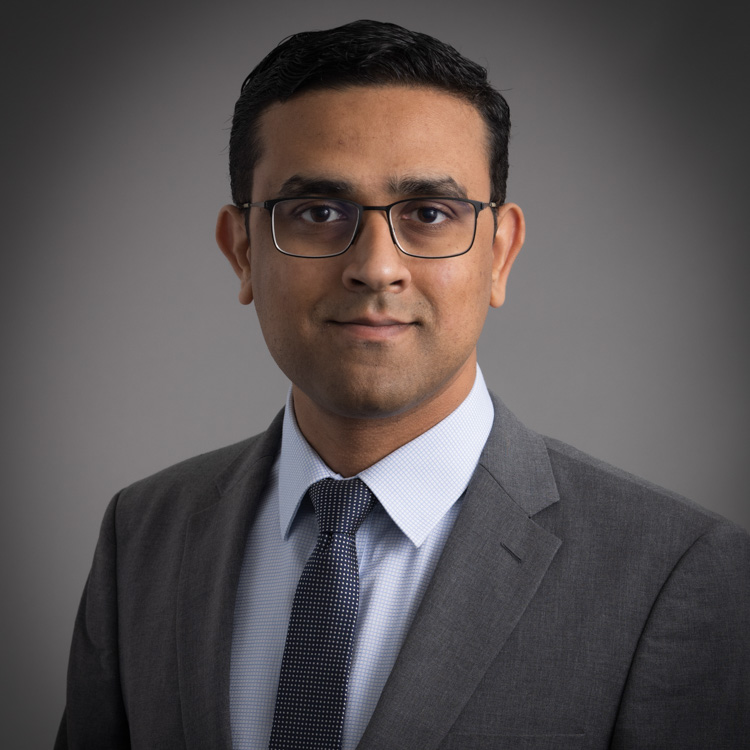
Sanchay Jain, MD, MBBS joined the Nuclear Medicine and Molecular Imaging Section as an assistant professor (CHS) in 2026.
He grew up in Bhopal, India and earned his primary medical degree (MBBS) from Gandhi Medical College, Bhopal. Subsequently, he completed nuclear medicine residency training (MD in nuclear medicine) followed by additional clinical experience in nuclear medicine at academic institutions in India. He then completed a nuclear oncology fellowship and a nuclear medicine residency at the University of Iowa Health Care, Iowa City. He also served as the chief resident during his entire residency.
Where are you from?
Bhopal, India.
Why did you choose radiology?
Nuclear medicine touches multiple subspecialties of medicine. For instance, in a single day I can be involved in the care of a child with a kidney problem or epilepsy, an adult with a thyroid disorder, back pain or heart disease; and an older patient with cancer or suspected dementia, all providing unique insights by utilizing specific pathophysiologic targets for imaging. What drew me even more is that this is one of the few fields where imaging and treatment come together; we can image a molecular target, measure the radiation dose it actually receives, and then treat it with the same molecule carrying a therapeutic radioisotope. Furthermore, nuclear medicine provides the opportunity to not only collaborate other clinical specialties, but also with medical physics, radiochemistry and other basic sciences, which is fundamental to innovation.
What are your professional interests?
Theranostics, radiopharmaceutical clinical trials, novel oncologic radiotracers, and neuroendocrine tumors.
Why did you choose to work at UW–Madison?
UW–Madison has a rare and unique combination which aligned well with my aspirations: a busy imaging practice, a growing theranostics program, a well-established and widely respected cancer center, leading medical physics and radiochemistry programs, the Cyclotron Research Group, and, most importantly, a very cohesive and collaborative culture. Working at UW–Madison comes with the opportunity to be a part of teams managing a wide variety of complex clinical problems and collaborating with other sciences as well for clinical research. I admire the midwestern culture of being helpful, kind, and showing up for each other. Many of my mentors at the University of Iowa, who have greatly influenced and shaped me are alumni of UW–Madison as well.
What are your hobbies?
I enjoy vinyasa yoga, hiking, and reading non-fiction books.