Targeting pain and improving lives: Faculty expand access to tumor ablation
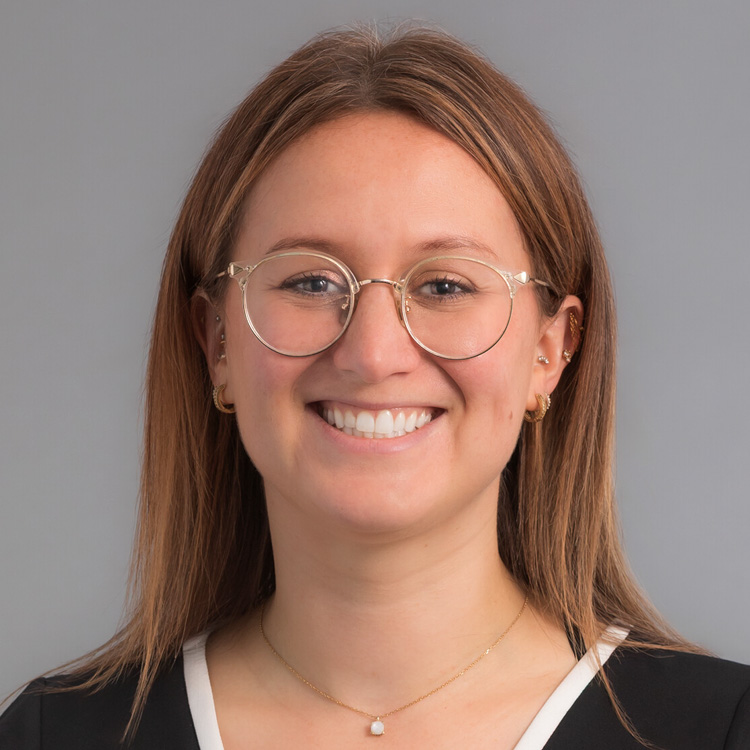
While working with a patient receiving cancer treatment, Monica Cooley, MD came up with an innovative solution to manage pain and improve quality of life.
She successfully used a minimally invasive procedure to access a tumor on the patient’s spine, treat it with radiofrequency, and then stabilize the area. The result was pain relief, improved functionality, and increased quality of life in a patient managing their disease.
“This one tumor was causing so much pain that it was life limiting to the patient,” Dr. Cooley said. “The patient went from pain preventing them from the things they wanted to do day-to-day – spending time with family and engaging in the activities they liked to do – to being able to do all of those things. Their pain was almost gone.”
Tumor ablation is a data-supported treatment that Dr. Cooley and John Swietlik, MD hope to offer more patients at UW Health.
“This is an efficacious option. The literature is there for it, and we feel passionately about helping to give people that part of their life back,” Dr. Cooley said.
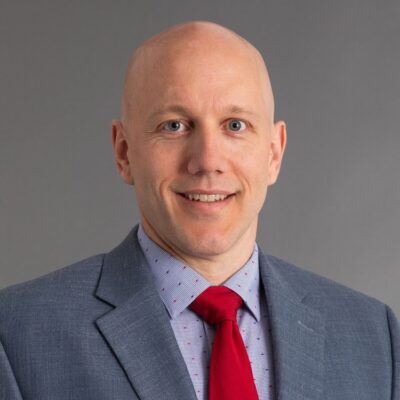
Tumor ablation is a minimally invasive medical procedure that destroys cancerous cells by burning (microwave or radiofrequency ablation), freezing (cryoablation), or destroying (irreversible electroporation and ethanol ablation) them. Following the procedure, doctors use techniques, like filling the cavity with bone cement, to stabilize the area.
“Patients are living longer, and we can potentially help them not just add time, but quality time,” Dr. Swietlik said. “My goal is to help patients have the best life that they can have.”
These procedures also illustrate a collaboration between the interventional and musculoskeletal radiology subspecialties.
Dr. Swietlik, an assistant professor in the Interventional Radiology Section, saw successful outcomes using these procedures at the William S. Middleton Memorial Veterans Hospital and Clinics then began collaborating with Dr. Cooley, an assistant professor in the Musculoskeletal Imaging and Intervention (MSK) Section. Their partnership enables them to work with more patients.
For example, Dr. Cooley is more likely to work with orthopedic referring providers while Dr. Swietlik will hear from medical oncologists. Also, the Musculoskeletal Imaging and Intervention Section is set up well for outpatient treatment while most of the Interventional Radiology Section’s work is inpatient.
“Using tumor ablation techniques is a newer approach compared to chemotherapy and surgery, though they have been around for a bit in the interventional radiology and MSK worlds,” Dr. Cooley said. They are becoming a more known treatment modality with better understood benefits and are included in National Cancer Care Network’s practice guidelines in oncology for adult cancer pain.
Drs. Cooley and Swietlik believe they can offer more of these procedures and hope to build a larger team within the department to continue adding capacity.
“Together, hopefully, we can create a more inclusive net to capture and care for as many patients as possible,” Dr. Swietlik said. “The responsiveness between the two of us together can be a lot stronger than either one of us separately.”